

The Cultural Significance of Pintxos in the Basque Country
In the heart of the Basque Country, where tradition meets innovation, a unique culinary practice known as pintxos has captured the attention of food enthusiasts and travelers alike. Unlike the more commonly known tapas, pintxos are a distinct form of small bites that reflect the region’s deep cultural roots and artistic flair. This article explores the essence of pintxos, their historical background, and the vibrant experience of enjoying them in San Sebastián.
What Are Pintxos?
Pintxos are small, often elaborately arranged snacks served on a toothpick or a slice of bread. The term “pintxo” translates to “spike” in the Basque language, referring to the way these delicacies are often skewered or placed on a piece of bread. These tiny bites are designed to be eaten quickly, typically at a bar, allowing diners to sample a variety of flavors in one sitting.
Unlike tapas, which can be a single item like jamón or garlic shrimp, pintxos are more complex and often include multiple ingredients. They are meant to be enjoyed in a social setting, emphasizing the importance of community and shared experiences. As Eva Longoria discovered during her journey for “Eva Longoria: Searching for Spain,” the distinction between pintxos and tapas is significant. To call a pintxo a tapa could be seen as a serious misstep in the Basque Country, highlighting the cultural pride associated with this tradition.
The Artistry Behind Pintxos

The preparation of pintxos showcases a remarkable level of artistry and creativity. Each pintxo is a miniature masterpiece, often incorporating a mix of textures and flavors. For instance, the Gilda, named after the 1946 film starring Rita Hayworth, features a manzanilla olive, guindilla peppers, and an anchovy arranged to resemble a woman’s body. This attention to detail not only enhances the visual appeal but also elevates the dining experience.
Another classic example is La Delicia, which layers a salt-cured anchovy, hard-boiled egg, mayonnaise, and an onion-parsley vinaigrette atop a piece of bread. These combinations demonstrate the versatility of pintxos, offering a range of tastes that cater to different palates.
The Social Experience of Pintxos
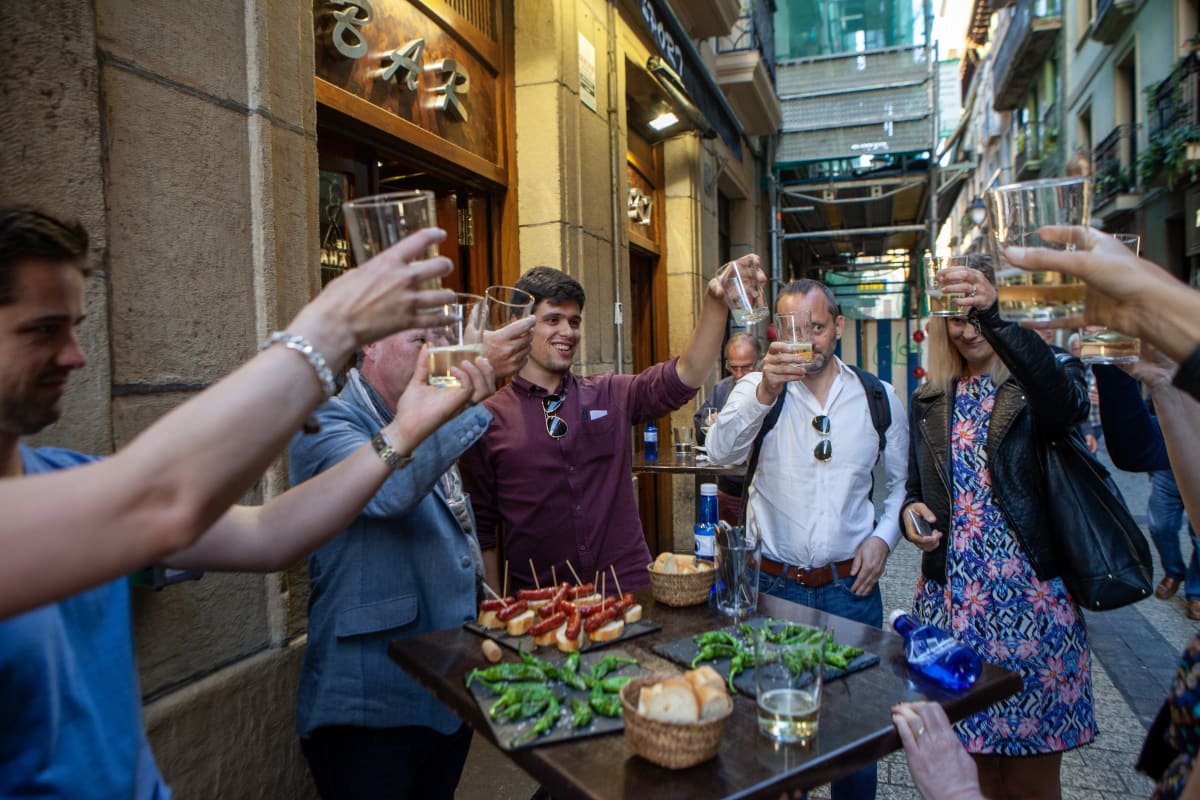
Beyond their culinary appeal, pintxos are deeply embedded in the social fabric of the Basque Country. Bar hopping is an essential part of the pintxo experience, allowing locals and visitors to explore different establishments and discover their signature offerings. Marti Buckley, an American food writer who has lived in San Sebastián for 15 years, emphasizes that pintxos are not just about the food but also about the environment and the company one keeps.
According to Buckley, the cultural context of pintxos is crucial. “Pintxos are not only a ‘what,’ they are where you eat them and what you are doing when you eat them — they are inextricable from their cultural context,” she explains. This sentiment underscores the importance of the setting and the shared experience that accompanies each bite.
A Taste of Tradition: The Tosta de Bogavante Recipe
To truly appreciate the essence of pintxos, one must delve into the recipes that define this culinary tradition. Marti Buckley’s recipe for Tosta de Bogavante, a lobster toast inspired by a Connecticut-style lobster roll, exemplifies the fusion of flavors that characterize Basque cuisine.
The recipe begins with a homemade aioli, combining egg, oil, cava, and stock to create a rich, creamy base. This is then paired with seared lobster meat, parsley oil, and flaky sea salt, all served on toasted bread. The result is a dish that captures the spirit of pintxos, offering a burst of flavor in every bite.
Ingredients
– 1 large egg, at room temperature
– 3/4 cup (180 ml) sunflower or other neutral oil
– Kosher salt
– 1 tablespoon cava, at room temperature
– 1 tablespoon fish or lobster stock (see Notes)
– A lemon wedge (optional)
– Extra-virgin olive oil
– 1/2 small round rustic loaf or ciabatta, sliced into 6 pieces
– 9 ounces (255 g) freshly cooked lobster meat (from arms and knuckles; see Notes), broken into bite-size pieces (about 2 cups)
– 1/4 cup (60 ml) parsley oil (see Notes)
– Flaky sea salt
Instructions
1. Crack the egg into a tall cylindrical container. Add the sunflower oil and a pinch of kosher salt.
2. Insert an immersion blender into the container and blend on the lowest setting until the mayonnaise is almost totally emulsified.
3. Move the blender slowly up and down to incorporate the remaining oil.
4. Add the cava and stock and blend well. Taste for seasoning, adding more salt and/or lemon juice if necessary.
5. Transfer the aioli to a pastry bag fitted with a small plain tip or a ziplock bag.
6. Heat a bit of olive oil in a large sauté pan over high heat. Add the slices of bread and toast them slightly before turning them to toast the other side.
7. Add a bit more olive oil to the pan, then add the lobster, in batches if necessary to avoid crowding, and sprinkle lightly with kosher salt.
8. Sear for about 45 seconds on each side. Remove from the heat and let cool slightly.
9. Pipe a zigzag bed of aioli onto each piece of bread. Divide the seared lobster among the pieces of bread, drizzle with the parsley oil, and sprinkle with flaky sea salt. Serve.
Notes
– You can buy already-cooked lobster or cook a 1½-pound (680 g) lobster yourself.
– To make the parsley oil, combine the leaves from 1 bunch of parsley, 1 sliced garlic clove, and ½ cup (120 ml) of olive oil in a food processor or using an immersion blender.
Conclusion
Pintxos are more than just a meal; they are a celebration of culture, identity, and community. From their intricate preparations to the social experiences they foster, pintxos encapsulate the essence of the Basque Country. Whether you’re savoring a classic Gilda or trying a modern twist like the Tosta de Bogavante, each pintxo offers a glimpse into the rich culinary heritage of this vibrant region. So next time you find yourself in San Sebastián, don’t forget to embrace the tradition of pintxos and discover the flavors that make this place so special.


