

Discovery of an Ancient Temple in the Andes Unveils New Insights into a Lost Civilization
Archaeologists have made a groundbreaking discovery in the highlands of Bolivia, uncovering the ruins of an ancient temple that could provide critical insights into the enigmatic Tiwanaku civilization. This newly identified site, located southeast of Lake Titicaca, challenges previous assumptions about the extent of Tiwanaku’s influence and offers a fresh perspective on the society that thrived before the rise of the Inca Empire.
The temple, named Palaspata after the native name for the region, was found in the municipality of Caracollo, approximately 130 miles (210 kilometers) south of the well-known archaeological site of Tiwanaku. This location is significantly different from where researchers had previously focused their efforts to understand the Tiwanaku culture. The discovery has been detailed in a recent study published in the journal Antiquity.
A Strategic Location with Religious Significance

Dr. José Capriles, a Bolivian archaeologist and associate professor of anthropology at Pennsylvania State University, led the research team that uncovered the site. He emphasized the significance of the temple’s location, noting that it lies outside the known boundaries of Tiwanaku’s expansion. “We don’t expect it in this particular place, and the fact that it exists there is remarkable,” he said.
The temple is strategically positioned between two major geographic zones of the Andean Highlands, suggesting it may have served as a control outpost for Tiwanaku’s sociopolitical influence. The site’s alignment with the solar equinox further highlights its religious importance, as many pre-Columbian temples were designed to mark celestial events.
Architectural Features and Evidence of Rituals
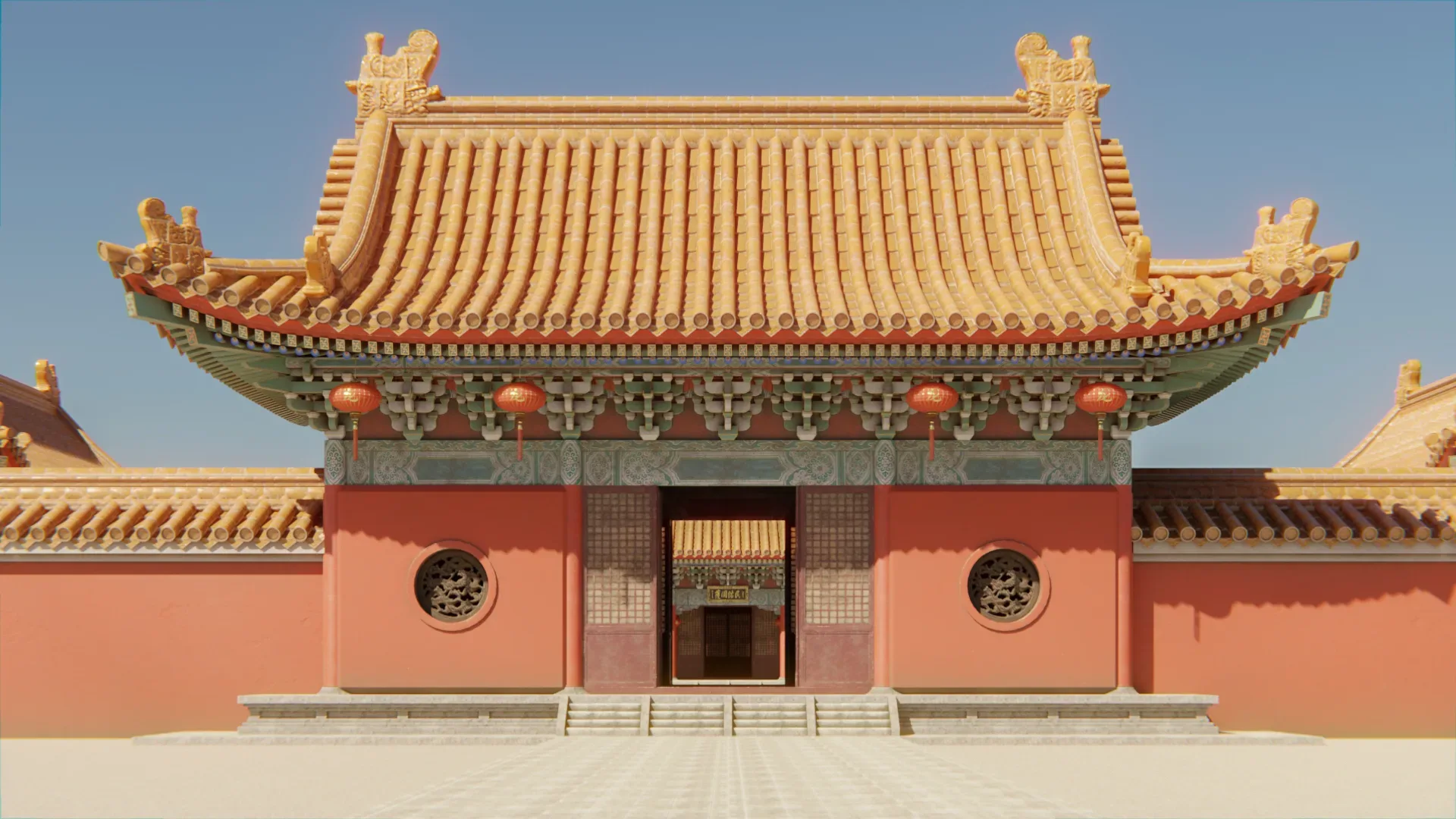
The temple complex features a terraced platform and a sunken courtyard, both characteristic of the Tiwanaku architectural style. Researchers also discovered keru cups—ceramic vessels used to drink chicha, a maize-based alcoholic beverage—on the surface of the ruins. These findings suggest that the temple was used for large gatherings, possibly religious or ceremonial events.
The structure itself measures approximately 125 meters long by 145 meters wide (410 by 475 feet), making it roughly the size of a city block. It includes 15 modular enclosures surrounding a central plaza, indicating a complex layout that likely housed various functions within the temple complex.
Origins and Legacy of the Tiwanaku Civilization
The Tiwanaku civilization emerged around AD 700 in the altiplano, or high plain, of the Andes called the Titicaca Basin. Despite its prominence, much about this society remains mysterious. Archaeological investigations began in the 1860s, but researchers still lack a comprehensive understanding of Tiwanaku’s social, political, and economic structures.
Tiwanaku is believed to have been a primary state formation, characterized by complex social stratification and interregional interaction. The civilization relied on llama caravans to connect communities and facilitate trade, given the challenges of farming in the high-altitude environment.
According to Dr. Nicola O’Connor Sharratt, an associate professor of anthropology at Georgia State University, evidence of Tiwanaku objects suggests that the people began settling in the area around AD 700 and expanded westward into what is now southern Peru. Tiwanaku populations are also suspected to have lived in what is now northern Chile and in Cochabamba.
Theories on the Decline of Tiwanaku
The collapse of the Tiwanaku civilization remains a subject of debate among scholars. Some theories suggest that environmental factors, such as drought or ecological degradation, played a role in the decline. Others propose that these conditions may have contributed to social unrest, leading to a populist uprising.
Dr. Sharratt noted that Tiwanaku did not fit early archaeologists’ expectations of what a state should look like, which may explain why the civilization has remained enigmatic. “It hasn’t necessarily met all of our expectations, so I think that’s partly why,” she said.
Implications of the Discovery
The discovery of Palaspata adds new dimensions to the understanding of Tiwanaku’s reach and influence. The temple’s strategic location and architectural design suggest that it was more than just a religious site—it may have served as a hub for trade, governance, and cultural exchange.
Researchers believe that the temple could have acted as a gateway for Tiwanaku to expand its power in the region, controlling the flow of goods and reinforcing its religious and political authority. This finding underscores the complexity of Tiwanaku’s societal structure and its ability to integrate economic, political, and spiritual institutions.
Future Research and Exploration
The next phase of research will involve further excavations and analysis of the site to uncover more details about its function and significance. The use of 3D rendering technology has already provided valuable insights into the temple’s layout, and future studies may reveal additional artifacts and structures.
As archaeologists continue to explore the remnants of this ancient civilization, the discovery of Palaspata serves as a reminder of the rich and complex history that lies beneath the Andean landscape. Each new find brings us closer to unraveling the mysteries of the Tiwanaku people and their enduring legacy.
