

Grand Canyon’s North Rim Preparing for Partial Reopening After Major Wildfire
After months of intense recovery efforts, portions of the Grand Canyon’s North Rim are set to welcome visitors again. The National Park Service has announced that daytime access will begin on October 1 to key locations such as Point Imperial and Cape Royal. These areas will remain open until November 30, though they could be closed earlier if there is significant snowfall. This marks a major step forward in restoring access to one of the most iconic natural landmarks in the United States.
Impact of the Dragon Bravo Fire
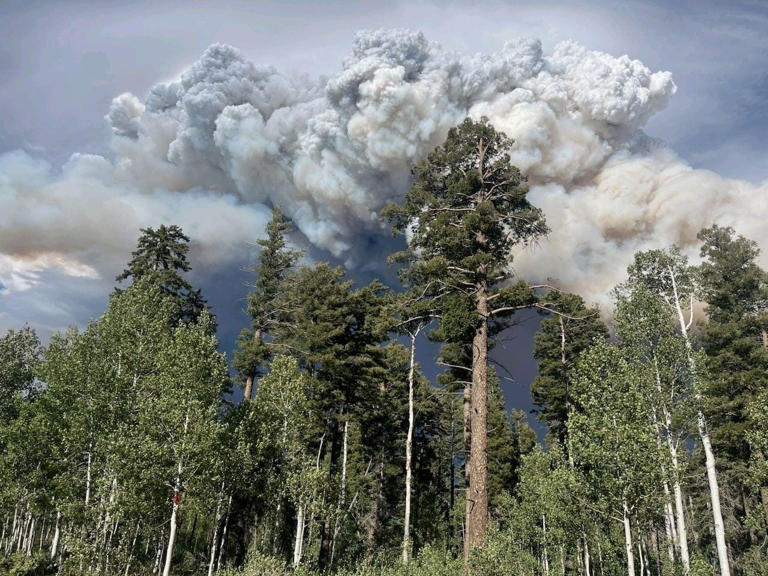
The devastating wildfire known as the Dragon Bravo Fire, sparked by lightning in early July, led to widespread destruction across the North Rim. The fire quickly escalated into a fast-moving conflagration, forcing evacuations and consuming critical infrastructure, including the historic Grand Canyon Lodge and several cabins. According to park officials, between 50 to 80 structures were damaged or destroyed during the blaze.
The fire burned over 227 square miles, making it one of the largest wildfires in recent history. Despite the efforts of firefighters, the sudden and extreme wind shifts made containment extremely difficult. The National Park Service has defended its handling of the fire, stating that the conditions far exceeded initial forecasts.
Ongoing Safety Concerns

Even with the partial reopening, safety remains a top priority. The park service has warned that hazards such as dead standing trees and an increased risk of flash flooding still exist, even outside the fire scar. Visitors are advised to come prepared with food, water, and essential supplies, as the North Rim lacks power, running water, and cell service.
The more remote sections of the North Rim will remain closed for the foreseeable future due to ongoing recovery efforts and safety concerns. This decision reflects the long-term impact of the wildfire on the area’s infrastructure and natural environment.
Political Response and Calls for Review
The wildfire has drawn attention from Arizona’s political leaders, who have called for a thorough review of how the fire was managed. A bipartisan group of elected officials has suggested that more could have been done early on to prevent the fire from spreading. Governor Katie Hobbs met with federal officials, and U.S. Interior Secretary Doug Burgum committed to an independent review of the incident.
This call for accountability highlights the broader conversation about wildfire management and the need for improved strategies to protect both natural landscapes and communities.
Future of the North Rim
While the partial reopening is a positive development, the long-term recovery of the North Rim remains uncertain. The area has historically been open seasonally, while the South Rim remains accessible year-round. However, the damage caused by the Dragon Bravo Fire may lead to changes in how the North Rim is managed in the future.
Park officials are working closely with experts to assess the full extent of the damage and determine the best course of action for restoration. This includes evaluating the environmental impact of the fire and developing plans to rebuild affected structures while ensuring the safety of visitors and wildlife.
Community and Visitor Reactions
Local communities and visitors have expressed a mix of relief and concern following the announcement. Many are eager to return to the Grand Canyon, which is a major tourist destination and a source of economic activity for the region. At the same time, there is a growing awareness of the risks associated with wildfires and the importance of responsible land management.
Environmental groups have also weighed in, emphasizing the need for sustainable practices that can help prevent similar disasters in the future. They argue that climate change and human activities have contributed to the increasing frequency and intensity of wildfires, making proactive measures essential.
Looking Ahead
As the Grand Canyon’s North Rim begins its journey toward recovery, the focus will remain on balancing public access with environmental protection. The coming months will be crucial in determining the success of the reopening efforts and the long-term health of the area.
For now, visitors are encouraged to check the latest updates from the National Park Service before planning their trips. With careful planning and a commitment to safety, the Grand Canyon continues to offer a breathtaking experience for those who visit.


