
MLB Introduces Robot Umpires in 2026 with Challenge System
Major League Baseball (MLB) is set to make a significant technological shift by introducing robot umpires in the 2026 season. This move, approved by the league’s 11-man competition committee, marks a major step in integrating advanced technology into the sport while maintaining the role of human umpires.
The system, known as the Automated Ball/Strike System (ABS), will allow teams to challenge two calls per game and receive additional appeals during extra innings. The challenge process involves a pitcher, catcher, or batter signaling their intent by tapping their helmet or cap. If a team successfully challenges a call, they retain their challenge for future use. Reviews of these challenges will be displayed on digital graphics on outfield videoboards, providing real-time feedback to players and fans.
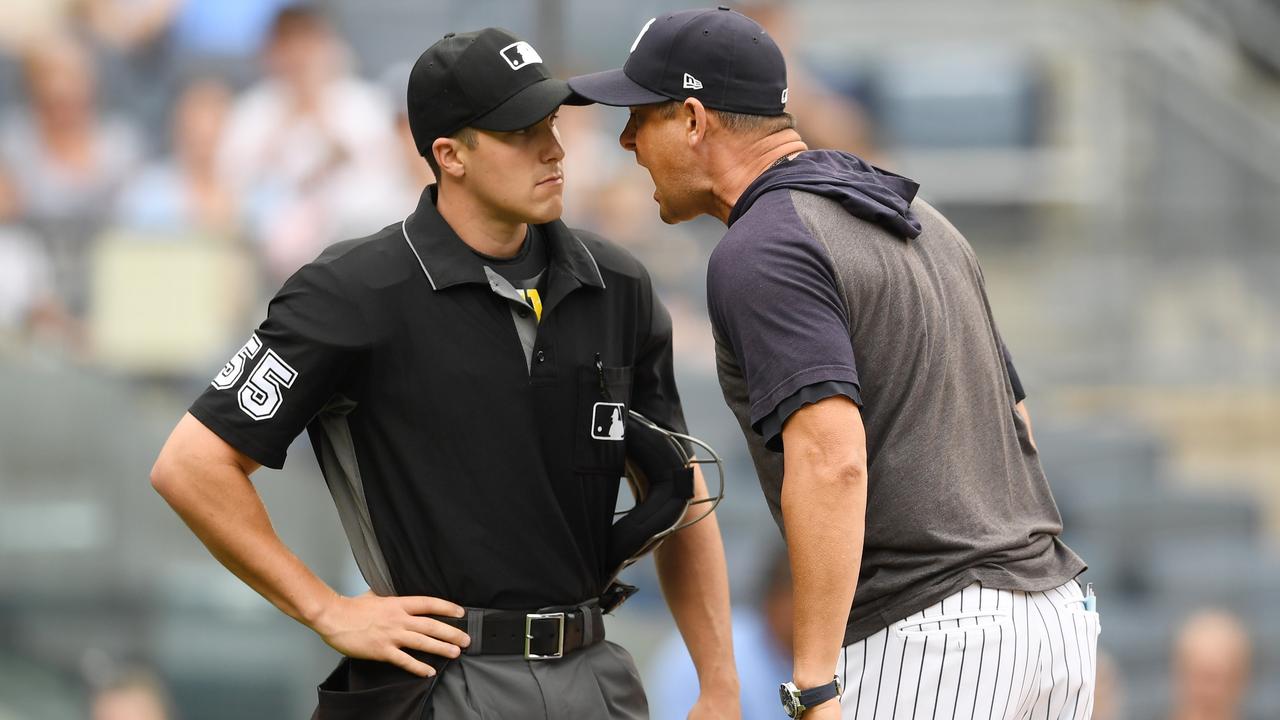
This initiative is expected to significantly reduce ejections related to disputes over balls and strikes. According to data from the previous season, 61.5% of ejections involved issues with ball and strike calls, while this figure stood at 60.3% through the current season. These numbers include ejections for derogatory comments, throwing equipment, and inappropriate conduct.
Despite the integration of technology, human umpires will still be responsible for calling balls and strikes. However, the ABS will provide an additional layer of accuracy, with big league umpires currently calling roughly 94% of pitches correctly, according to UmpScorecards. Commissioner Rob Manfred emphasized that the decision to implement the challenge system was influenced by player preferences, ensuring that the technology complements rather than replaces human judgment.
Testing and Implementation of the System
The Automated Ball/Strike System has been tested in various levels of baseball since 2019. It first appeared in the minor leagues, with the independent Atlantic League trialing the system at its 2019 All-Star Game. MLB also implemented the technology during the Arizona Fall League, which features top prospects. In 2021, the system was tested at eight of nine ballparks in the Low-A Southeast League before moving up to Triple-A in 2022.
At the start of the 2023 season, half of the Triple-A games used the robots for ball/strike calls, while the other half relied on human umpires who could be challenged by teams using the ABS. In June 2024, MLB transitioned Triple-A to an all-challenge system, followed by a trial of the system in 13 spring training ballparks hosting 19 teams for a total of 288 exhibition games.
During the 2024 spring training, teams won 52.2% of their ball/strike challenges (617 out of 1,182). At Triple-A this season, the average number of challenges per game increased to 4.2 from 3.9, while the success rate dropped slightly to 49.5% from 50.6%. Defenses were successful in 53.7% of challenges this year, compared to 45% for offenses.
In the first test at the Big League All-Star Game, four out of five challenges of plate umpire Dan Iassogna’s calls were successful in July. Teams in Triple-A do not get additional challenges in extra innings, but the proposal approved by the competition committee includes a provision granting teams one additional challenge each inning if they don’t have challenges remaining.
Evolution of the Strike Zone
MLB has experimented with different interpretations of the strike zone using the ABS, including versions that were three-dimensional. Currently, the system calls strikes based solely on where the ball crosses the midpoint of the plate, which is 8.5 inches from the front and back. The top of the strike zone is defined as 53.5% of the batter’s height, while the bottom is 27%.
This change represents MLB’s first major rule update since the sweeping adjustments made in 2024, which included a pitch clock, restrictions on defensive shifts, pitcher disengagements such as pickoff attempts, and larger bases. The introduction of the challenge system is seen as a way to modernize the game without eliminating traditional aspects like pitch framing, a subtle art where catchers use their body and glove to influence how borderline pitches are called.
Reactions from Players and Managers
While some players and managers support the new system, others remain skeptical. Former manager Bobby Valentine expressed his concern about the idea of players being paid to “cheat” by making borderline pitches look like strikes. He questioned the ethics of using pitch framing to manipulate umpires’ decisions.
Texas manager Bruce Bochy, a former big league catcher, shared his views on the old-school approach to umpiring. He recalled that veteran umpires like Bruce Froemming and Billy Williams would have discouraged pitch framing, telling him: “If you do that again, you’ll never get a strike.” His comments highlight the ongoing debate about the role of technology in preserving the integrity of the game.
Key Figures Involved in the Decision
The competition committee includes influential figures from across the league, such as Seattle chairman John Stanton, St. Louis CEO Bill DeWitt Jr., San Francisco chairman Greg Johnson, Colorado CEO Dick Monfort, Toronto CEO Mark Shapiro, and Boston chairman Tom Werner. Players on the committee include Arizona’s Corbin Burnes and Zac Gallen, Detroit’s Casey Mize, Seattle’s Cal Raleigh, and New York Yankees’ Austin Slater, with the Chicago Cubs’ Ian Happ serving as an alternate.
Union representatives make decisions based on input from players on the 30 teams, ensuring that the voices of those directly involved in the game are heard. Bill Miller serves as the umpire representative, representing the interests of the officiating community.